Famous Philosophers You Should Know About
Socrates: The Father of Western Philosophy
Socrates is often hailed as the father of Western philosophy. Known for his unique method of questioning, the Socratic Method, he sought to stimulate critical thinking and illuminate ideas. Although he wrote nothing himself, his thoughts and teachings were recorded by his students, including Plato.

Socrates believed in the pursuit of virtue and knowledge, famously stating, "The unexamined life is not worth living." His emphasis on ethics and morality laid the foundation for future philosophical inquiry.
Plato: The Philosopher King
A student of Socrates, Plato founded the Academy in Athens, one of the earliest institutions of higher learning. His works, such as "The Republic," explore justice, beauty, and equality. Plato’s theory of Forms argues that non-material abstract forms, and not the material world, possess the highest and most fundamental kind of reality.

Plato’s influence extends beyond philosophy to science, politics, and art. His vision of a philosopher-king ruling an ideal state continues to inspire political thought today.
Aristotle: The Polymath
As a student of Plato, Aristotle made significant contributions to numerous fields, including logic, metaphysics, mathematics, and biology. His comprehensive system of Western philosophy influenced both medieval scholarship and modern thought.

Aristotle’s concept of the "Golden Mean," which advocates for moderation and balance, remains a vital ethical principle. His works laid the groundwork for the scientific method, emphasizing observation and empirical evidence.
Immanuel Kant: The Critic of Pure Reason
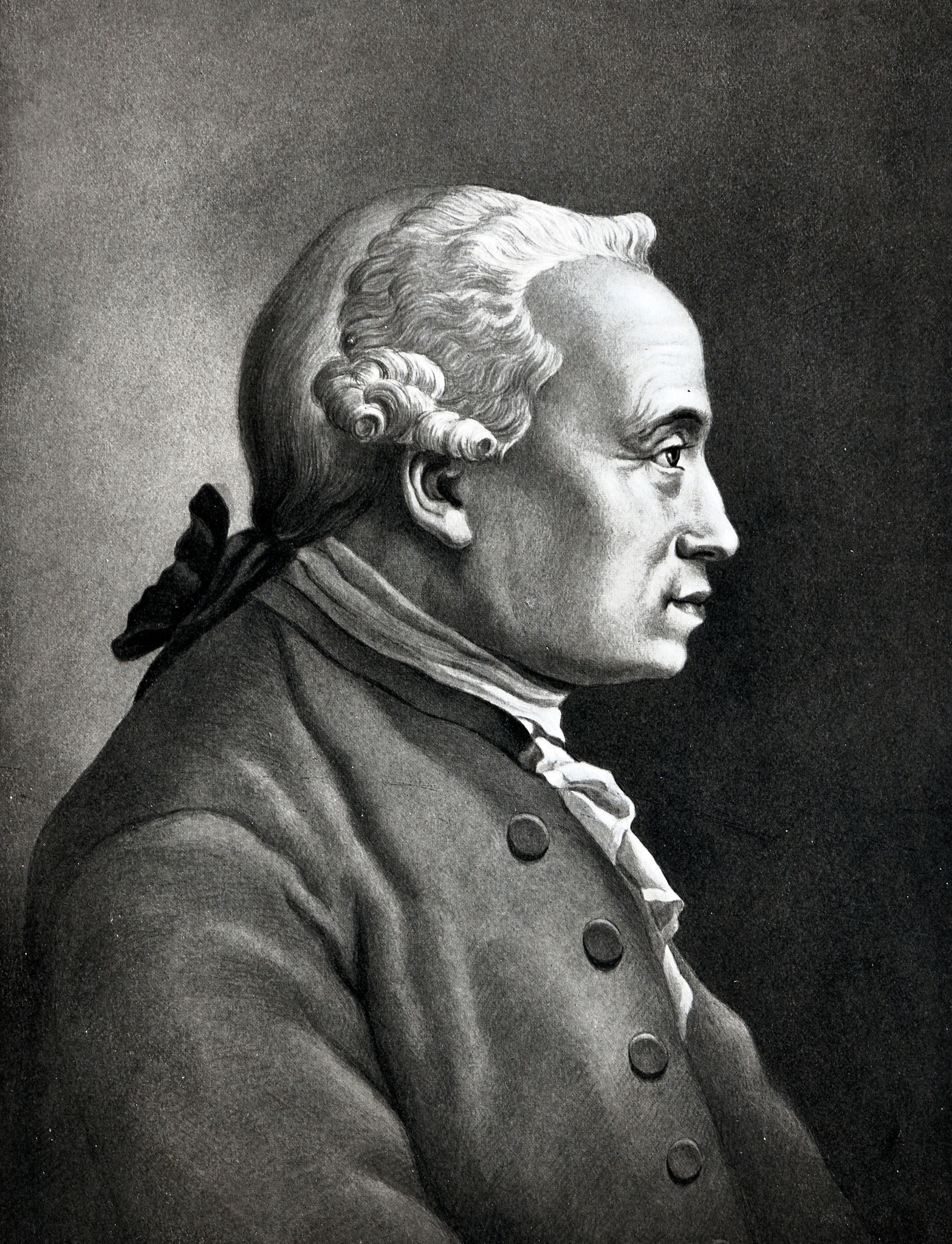
Immanuel Kant revolutionized philosophy with his "Critique of Pure Reason," which explores the relationship between human experience and knowledge. Kant argued that our understanding of the external world is shaped by our perceptions and cognitive faculties.
His moral philosophy, encapsulated in the "Categorical Imperative," stresses that actions must adhere to universal laws. Kant’s work profoundly influenced modern philosophy, ethics, and aesthetics.
Friedrich Nietzsche: The Radical Thinker
Friedrich Nietzsche challenged traditional values and beliefs with his provocative ideas. Known for declaring that "God is dead," Nietzsche explored the implications of a world without moral absolutes.
His concepts of the "Übermensch" and "eternal recurrence" invite reflection on individuality and the cyclical nature of existence. Nietzsche’s existentialist views continue to spark debate and inspire contemporary thought.

Simone de Beauvoir: The Feminist Pioneer
A leading figure in existentialism and feminism, Simone de Beauvoir is best known for her work "The Second Sex," which examines the oppression of women. De Beauvoir’s philosophy emphasizes freedom, responsibility, and the construction of identity.
Her ideas on gender and society have significantly influenced feminist theory and continue to resonate in discussions on equality and human rights.

Conclusion
These famous philosophers have shaped the course of human thought, each contributing unique perspectives that continue to influence our understanding of the world. By exploring their ideas, we gain insight into the complexities of existence and the enduring quest for truth and wisdom.